
Designing Directional Signage Systems: English Translation Focused Title
What's the Big Deal About Signage Systems? A Deep Dive into Design and Translation
Ever walked into a mall or a museum and felt like you were in a labyrinth? That's where signage systems come into play. But what exactly is a signage system, and why is it so crucial? Let's unravel the mystery and dive into the world of signage design and its translation.
What is a Signage System?
Think of a signage system as the GPS of a building or a space. It's a collection of signs that guide people from one point to another. Whether it's a hospital, an airport, or a shopping center, these systems are designed to be intuitive, informative, and aesthetically pleasing.
Why is Signage System Design Important?
Here's the deal: a well-designed signage system can make or break the user experience. Imagine trying to find your way in a place with confusing signs or none at all. It's like trying to find a needle in a haystack. On the other hand, a well-thought-out system can make navigating a complex space a breeze.
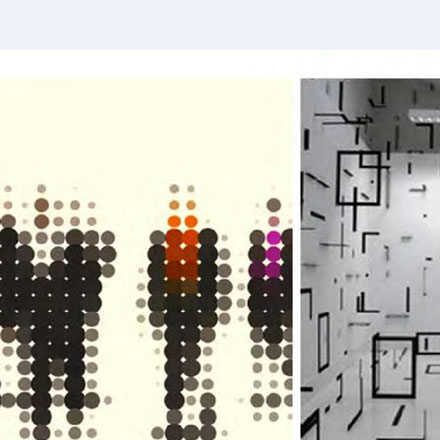
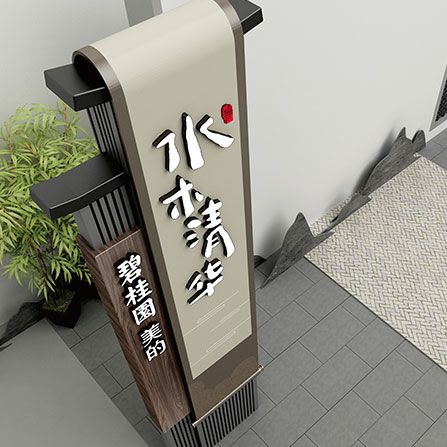
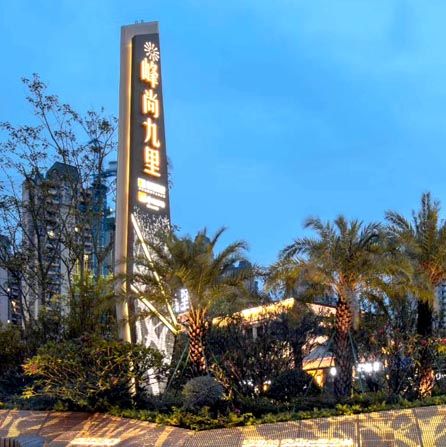
圖片由人和時代CRT標識設計集團提供
Key Elements of Signage System Design
Let's break down the key elements that make up a great signage system:
Clarity: Signs should be clear and easy to read. No one wants to decipher cryptic messages.
Consistency: A uniform style and color scheme make it easier for people to recognize signs and understand their purpose.
Visibility: Signs should be placed in high-traffic areas and be large enough to be seen from a distance.
Legibility: Fonts should be simple and bold, and symbols should be universally recognized.
Accessibility: Consider the needs of people with disabilities, such as providing tactile signs for the visually impaired.
Signage System Design: A Step-by-Step Guide
Designing a signage system is no small feat. Here's a step-by-step guide to help you get started:
Define the Purpose: What is the primary goal of the signage system? Is it to guide, inform, or sell?
Identify the Audience: Who will be using the signage system? Consider their age, language, and cultural background.
Conduct a Site Survey: Walk through the space and identify key areas where signs are needed.
Choose the Right Materials: Consider factors like durability, cost, and environmental impact.
Design the Signs: Create a consistent style and color scheme, and ensure that the content is clear and concise.
Install the Signs: Place signs in the appropriate locations and ensure they are securely mounted.
Maintain the System: Regularly inspect and replace signs as needed.
Signage System Translation: The Language Barrier Busters
Now, let's talk about the language barrier. What happens when you need to translate your signage system into multiple languages? Here are some tips to help you break through the language barrier:
Understand the Culture: Different cultures have different symbols and meanings. Make sure your signs are culturally appropriate.
Keep It Simple: Avoid long, complex sentences. Use simple words and phrases that are easy to understand.
Use Visuals: When in doubt, use images and symbols to convey your message.
Work with Professionals: Hire a professional translator who understands both the language and the cultural nuances.
Case Study: The Signage System Revolution at City Mall
Let's take a look at a real-life example. City Mall, a bustling shopping center, decided to revamp its signage system. Here's what they did:
They conducted a thorough site survey to identify problem areas.
They hired a team of designers to create a new, user-friendly signage system.
They translated the signs into multiple languages, including Spanish, Mandarin, and Arabic.
They installed the new signs and trained their staff on how to use them effectively.
They monitored the system and made adjustments as needed.
The results were incredible. Customer satisfaction soared, and the mall saw a significant increase in foot traffic. It was a win-win situation for everyone involved.
Signage System Design and Translation: A Match Made in Heaven
So, what's the bottom line? A well-designed signage system, coupled with accurate translation, can make a world of difference. It's like giving people a map to navigate the complexities of life. Whether you're designing a signage system for a commercial space, a public building, or a cultural institution, remember these key points:
Clarity is king.
Consistency is crucial.
Visibility is vital.
Legibility is non-negotiable.
Accessibility is a must.
By following these guidelines and working with professionals, you can create a signage system that not only looks great but also serves its purpose effectively. So, the next time you're in a place with confusing signs, remember: it's not just about the signs—it's about the experience they create.
Conclusion
Signage system design and translation are essential components of creating a user-friendly environment. By focusing on clarity, consistency, visibility, legibility, and accessibility, you can create a signage system that not only looks great but also serves its purpose effectively. So, the next time you're tasked with designing or translating a signage system, remember these key points and watch the magic happen.
Keep in mind that the world of signage is constantly evolving, so stay updated with the latest trends and technologies. Happy designing and translating!

人和時代設計
品牌設計、VI設計、標識設計公司


標識導視資料百科
Signage Information Encyclopedia
導視系統標牌設計 引領空間導航的藝術與科學2025/05/12
銘牌導視設計 引領空間識別的藝術之道2025/05/12
Designing Directional Signage Systems: English Translation Focused Title2025/05/12
校園導視系統設計 打造清晰導航的藝術2025/05/12
景觀導視系統設計與施工一體化解決方案2025/05/12
導視系統標識設計 打造清晰指引的藝術之道2025/05/12
現代住宅導視系統設計案例解析 引領居住空間導向美學2025/05/12
深圳專業導視設計 打造視覺導航新標桿2025/05/12
校園導視設計 打造清晰導航的藝術之旅2025/05/12